Postpartum · Rochester, NY
Postpartum Training & Diastasis Recti in Rochester
Training for the body that just did something enormous. We start by screening the gap and how your breath and deep core are actually working — then rebuild from there.
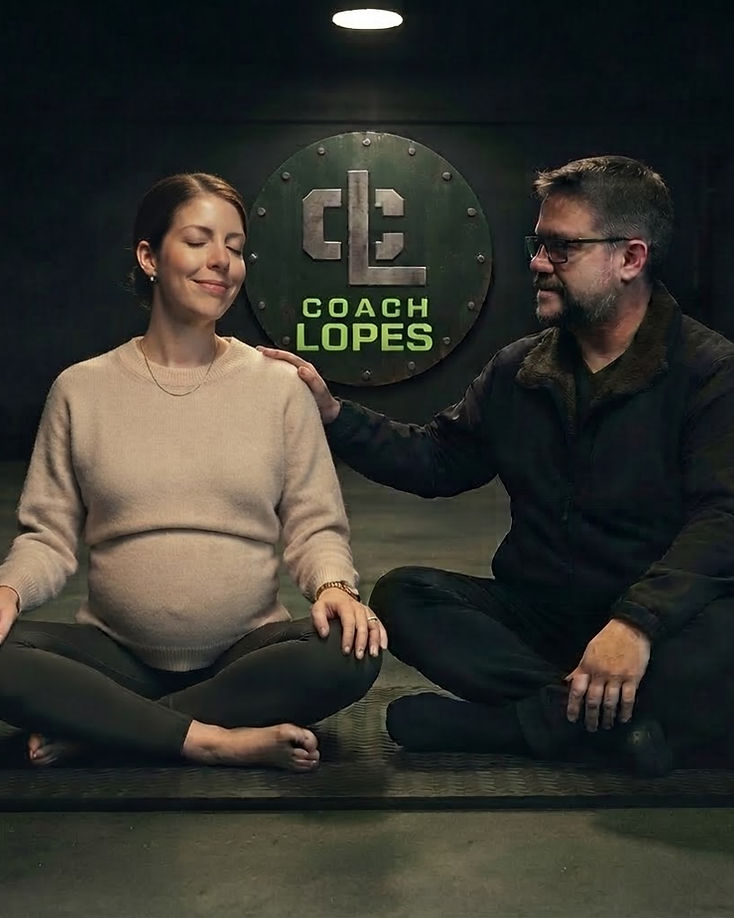
Who it's for
- Mothers cleared by their doctor to exercise again
- Women told to 'just do kegels and hope'
- Anyone with an abdominal gap that never closed on its own
- Women who leak, brace, or feel disconnected from their core
- Mothers who want to lift, run, or train hard again — properly
What's in it
- A screen of the gap and how your breath and deep core work together
- Progressive loading that respects healing tissue
- Rebuilding before adding intensity — in that order, always
- Strength work that carries over to carrying, lifting, and living
- A plan that changes as your body changes
No crunch marathons. No planks on day one.
The most common postpartum advice is to do more core work. That's usually the exact wrong answer. If your deep core isn't managing pressure well, adding crunches and planks just loads a system that's already failing — which is how gaps stay open and how backs start hurting.
Instead, we start with breathing mechanics and pressure management, because the deep core is a pressure system, not a set of muscles you can just exhaust into submission. Then we rebuild the connection, then we load it, then we train hard.
It is slower at the start and dramatically faster overall, because nothing gets undone along the way.
Diastasis recti: what actually closes the gap
A diastasis is a stretching of the tissue between the abdominal muscles, usually from pregnancy. It doesn't close because you want it to — it closes when the muscles either side of it learn to generate tension again and the pressure inside your abdomen stops pushing outward.
That means the work is unglamorous: breathing, positioning, tension, and very specific loading. It means progress is measured, not guessed at. And it means that when it does come back together, it stays together, because you built the strength that holds it.
If your gap is severe, or there's pain, or something doesn't feel right, Coach Lopes will tell you plainly and send you to a pelvic floor physical therapist. He trains — he doesn't diagnose or treat.
Training again, on your terms
The goal isn't to get back to what you were doing before. It's to get to somewhere better — a body that can lift your kid, carry the car seat, run, and still have something left.
Sessions are at 3543 Winton Place in Rochester, NY. Start when your doctor has released you to exercise. Call (585) 771-7441 or send an inquiry and we'll talk through where you're starting from.
Questions
Asked and answered.
- When can I start training after having a baby?
- Once your doctor has cleared you to exercise — commonly around six weeks for an uncomplicated delivery, longer after a caesarean or a complicated one. The screening comes first, and it decides what we do next.
- Can I train with diastasis recti?
- Yes, and you should — the right way. Crunches, sit-ups, and loaded planks usually make it worse. Breathing, pressure management, and progressive loading make it better. If the gap is severe or painful, you'll be referred to a pelvic floor physical therapist first.
- Is this physical therapy?
- No. This is strength training. Coach Lopes doesn't diagnose or treat anything — that's your doctor's or physical therapist's job. He works alongside them.
- Can I bring my baby?
- Ask when you get in touch — it depends on the session time and what's happening in the room that day.
Your body did the hard part. Let's rebuild it properly.
Tell me how far postpartum you are and what you're hoping to get back to, and we'll start with a screen.
3543 Winton Place · Rochester, NY